Understanding Oversized Cargo: Definition, Costs, and Transportation
Oversized cargo refers to items that exceed standard shipping specifications for length, width, height, or weight. Transporting such goods requires specialized planning, equipment, and routes. This article explores what constitutes oversized cargo, the associated costs, and the equipment used for its transportation.
What is Oversized Cargo?
Oversized cargo encompasses goods too large or heavy for standard containers or transport vehicles. These items require unique arrangements for safe and efficient delivery.
Definition by Key Organizations
1. International Maritime Organization (IMO)
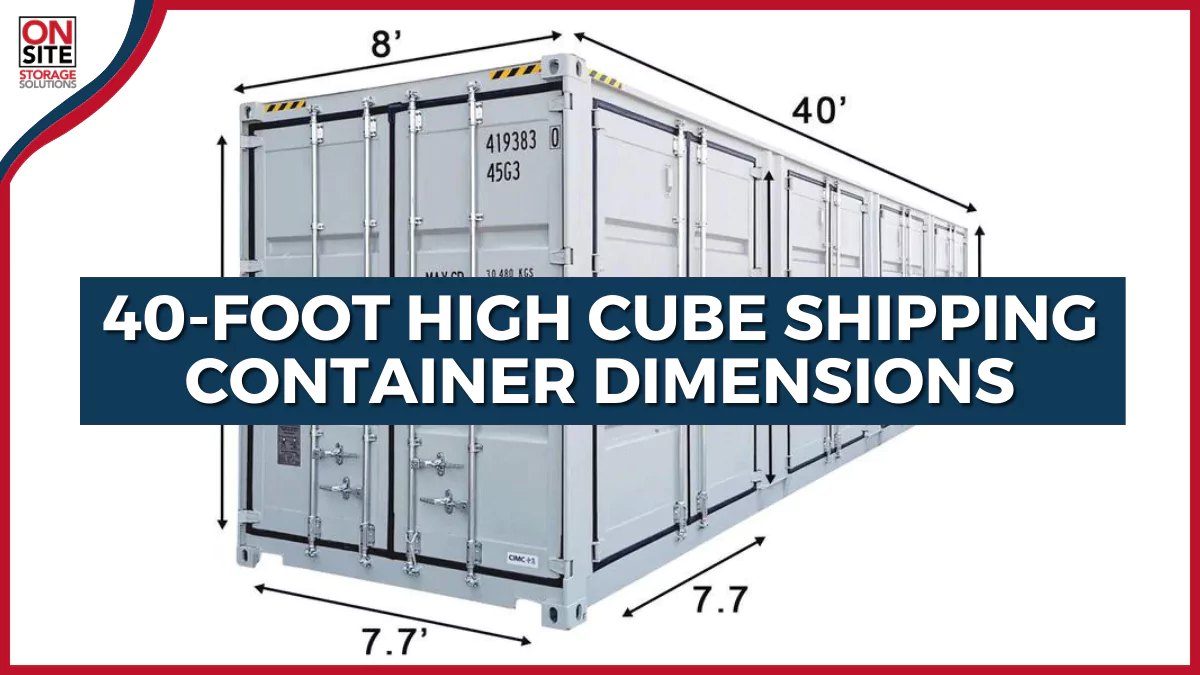
- Size Limitations: Goods exceeding standard container dimensions (typically over 2.59 meters (8.6 feet) wide or 2.44 meters (8 feet) high).
- Weight Limitations: Items surpassing the load or stability limits of the vessel.
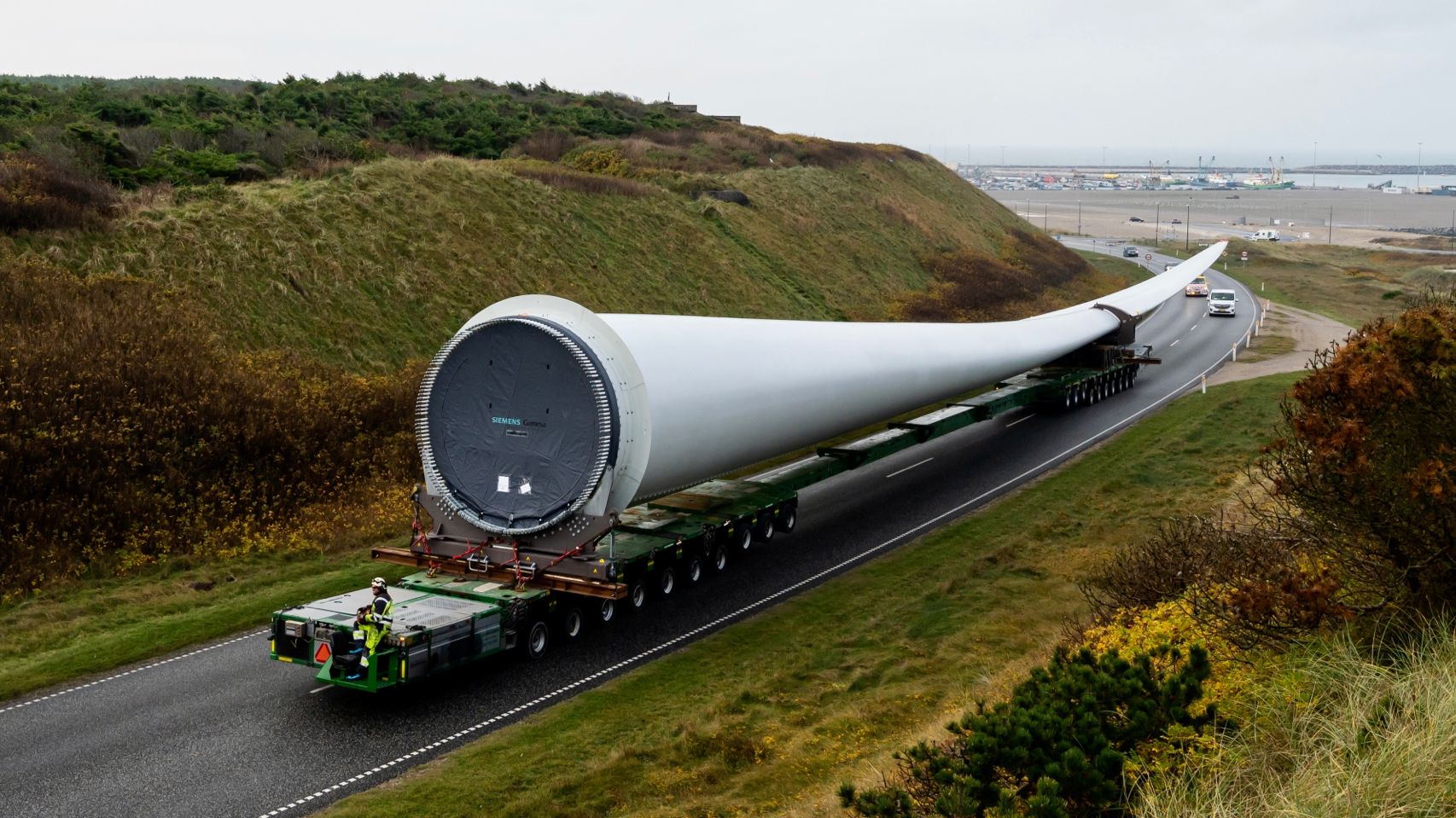
- Special Cases: Large equipment like wind turbine blades or generator sets often require special handling.
2. International Air Transport Association (IATA)
- Aircraft Limitations: Cargo exceeding aircraft door dimensions or interior space.
- Weight: Items exceeding the Maximum Take-Off Weight (MTOW) of an aircraft.
- Special Cargo: Certain goods, such as hazardous materials or live animals, may also fall into this category, despite their standard dimensions.
Country-Specific Standards
Each country may impose unique restrictions for oversized cargo, especially for road transport, including:
- Bridge and road width restrictions.
- Maximum vehicle dimensions and weights.
- Permits for specific routes and times.
Costs of Transporting Oversized Cargo
Transporting oversized cargo is inherently more expensive due to its unique requirements. Here’s a breakdown of potential costs:
1. Special Equipment Rental Fees
- Requires lowboy trailers, modular trailers, or extendable flatbeds.
- Rental costs are significantly higher than for standard equipment.
2. Special Packaging Costs
- Protective packaging and labeling are essential to prevent damage during transit.
3. Route Planning and Permit Fees
- Custom route planning is required, especially for international or interstate transport.
- Obtaining permits for special routes can involve high fees and lengthy application processes.
4. Loading and Unloading Costs
- Specialized equipment like cranes or forklifts increases operational costs.
- Additional manpower and securing methods further add to expenses.
5. Insurance Premiums
- Higher risks lead to increased insurance costs to cover potential damage or loss.
6. Delays and Storage Fees
- Waiting for special equipment or permits can cause delays, leading to extra storage fees.
Common Equipment for Oversized Cargo Transportation
1. Lowboy Trailers
- Purpose: Ideal for heavy or tall goods.
- Feature: Lower bed platforms accommodate tall items.
2. Modular Trailers
- Purpose: Adjustable configuration for exceptionally heavy or oversized goods.
- Feature: Flexibility to adapt to varying sizes and weights.
3. Extendable Flatbed Trailers
- Purpose: Designed for long items like steel beams or concrete structures.
- Feature: Extendable length to fit the cargo’s dimensions.
Key Takeaways
Planning is Crucial
Transporting oversized cargo demands meticulous planning, from choosing the right equipment to obtaining permits.
Specialized Equipment is Essential
The success of oversized cargo transport often hinges on the correct use of specialized trailers and lifting equipment.
Expect Higher Costs
From equipment rentals to insurance premiums, oversized cargo transport is significantly more expensive than standard shipping.
By understanding the requirements and challenges of oversized cargo, businesses can navigate the complexities and optimize their logistics for safe and efficient transportation.