Understanding IATA Codes: Airport vs. City Codes
IATA codes are essential identifiers in the aviation industry, used to facilitate airline operations, ticketing, and travel logistics. This guide explains what IATA codes are, how they are assigned, and the differences between IATA airport codes and city codes.
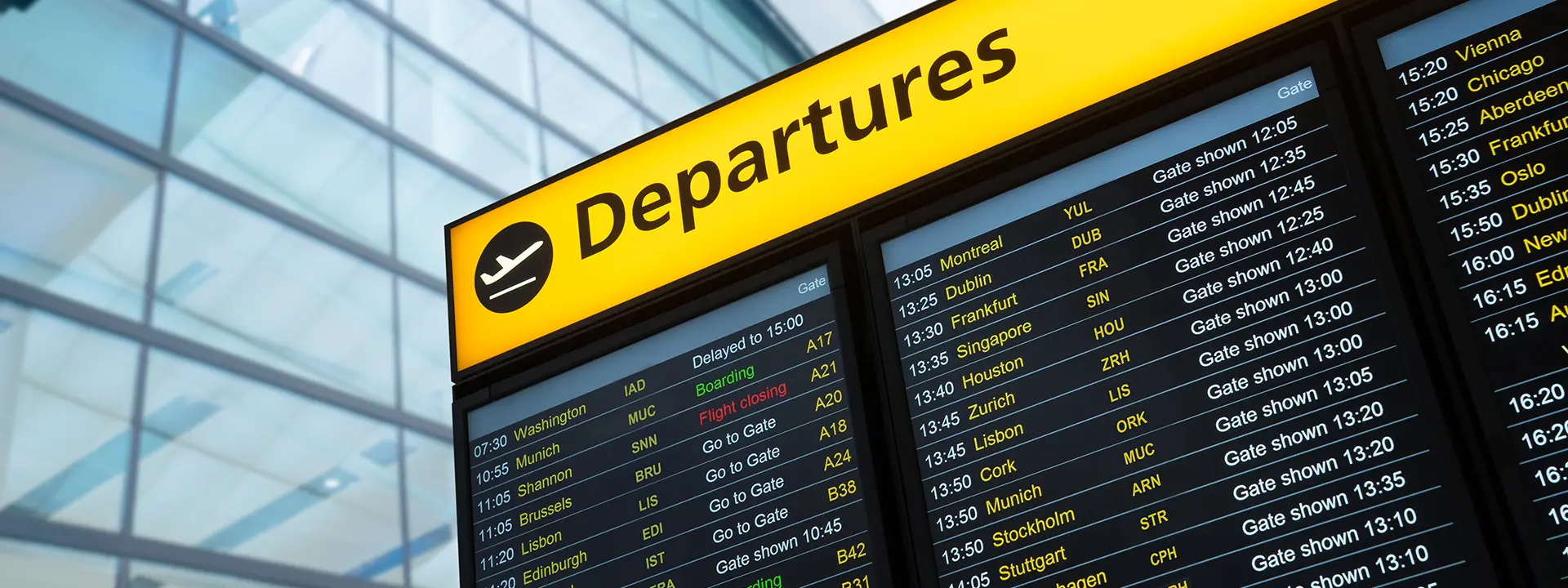
What Are IATA Codes?
Definition
IATA codes, short for International Air Transport Association codes, are three-letter identifiers used globally to represent airports, cities, and other air transport-related locations. These codes are critical for efficient communication in the aviation industry, helping with tasks such as:
- Airline ticketing
- Flight scheduling
- Baggage handling
Examples
- John F. Kennedy International Airport (New York): JFK
- London Heathrow Airport: LHR
Uses
- Air Freight: Airlines and freight forwarders rely on IATA airport codes in quotations to avoid confusion.
- Travel Platforms: Codes are widely used in reservation systems and flight search engines, enabling travelers to easily identify their departure and arrival airports.
How Are IATA Codes Assigned?
IATA assigns codes based on specific conventions. Here’s how they typically determine the codes:
Based on the City Name
- The first airport in a city often shares the IATA code with the city name.
- Example:
- Shanghai Hongqiao International Airport: SHA
- City Code for Shanghai: SHA
Based on the Airport Name
- Codes may also derive directly from the airport’s name.
- Example:
- Dallas Fort Worth International Airport: DFW
Historical References
- Some codes are based on older names of the airport or location.
- Example:
- Chicago O'Hare International Airport: ORD (from its former name, Orchard Field).
IATA Airport Codes vs. IATA City Codes
While both are part of the IATA system, there are distinct differences between airport and city codes.
IATA Airport Codes
- Purpose: Identify individual airports.
- Usage: Streamline operations and communication in aviation.
- Example:
- LAX represents Los Angeles International Airport.
IATA City Codes
- Purpose: Represent cities, encompassing all airports within that city.
- Usage: Identify a city when multiple airports exist within it.
- Example:
- NYC represents New York City, which includes:
- John F. Kennedy International Airport (JFK)
- LaGuardia Airport (LGA)
- NYC represents New York City, which includes:
Key Point
- If a city has only one airport, its city code and airport code will typically be the same.
IATA codes simplify the complexity of global air travel, ensuring seamless logistics and communication across the aviation industry. Whether you’re booking a flight or managing air freight, understanding these codes is vital for efficient planning.